
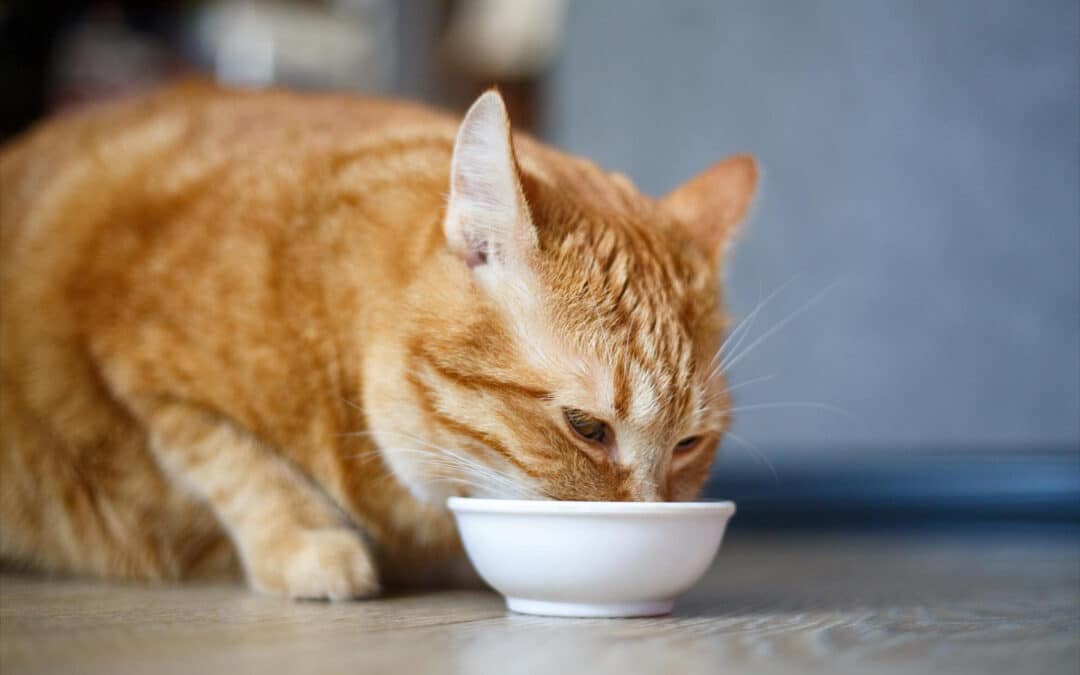
Cats may be experts at lounging, but that doesn’t mean a healthy lifestyle should be overlooked. Many cat parents wonder whether their cat is carrying a few extra pounds—especially when a fluffy coat can make it difficult to tell.
Maintaining a healthy weight is an important part of your cat’s overall wellness. Extra weight can contribute to health concerns and may also make it harder for your cat to comfortably move, jump, and play. The good news? Supporting a healthy weight doesn’t have to mean dramatically changing your cat’s routine. Small, consistent habits involving nutrition, activity, and enrichment can make a meaningful difference over time.
Start With Your Cat’s Individual Needs
Every cat is different. Age, activity level, lifestyle, body condition, and overall health can all influence how much and what type of food is appropriate.
Rather than simply feeding less food, talk with your veterinarian about your cat’s individual nutritional needs. Cats need a balanced diet, and simply reducing the amount of a regular maintenance diet may not always provide the best approach for a cat who needs to lose weight. Your veterinary team can assess your cat’s body condition, monitor their weight, and help develop a plan that supports safe, healthy weight management.
Don’t Forget About Treats
Treats can add up quickly, especially when multiple family members are sharing snacks throughout the day.
A few simple strategies include:
- Using a portion of your cat’s regular daily food as a reward
- Measuring treats instead of handing them out freely
- Making sure everyone in the household knows how many treats your cat should receive
- Using play, attention, or affection as a reward when appropriate
The goal isn’t to take away everything your cat enjoys—it’s to make those calories part of the overall plan.
Make Mealtime More Engaging
Cats are natural hunters. In the wild, they would spend time searching for, stalking, chasing, and capturing their food. While a bowl of food is certainly convenient, it doesn’t provide much opportunity to use those natural behaviors.
Food enrichment can turn mealtime into both a mental and physical activity.
Try a Puzzle Feeder
Puzzle feeders encourage cats to work for their food by batting, rolling, or manipulating an object to access it. Start with an easy option so your cat can quickly understand the game, then gradually increase the challenge if they enjoy it.
Create a Food Hunt
Instead of placing all of your cat’s food in one bowl, try dividing an appropriate portion into several small meals and placing them in different locations around the house.
You can also hide small portions of food in safe, easy-to-find places and allow your cat to search for them.
Scatter Feeding
For some cats, scattering a measured portion of dry food across a safe area can encourage them to search and move around as they eat.
The key word is measured. Enrichment should change how your cat receives their food—not unintentionally increase the amount they eat.
Feline guidelines specifically recognize foraging devices, food puzzles, and placing small portions of food in multiple locations as ways to encourage natural feeding behaviors while adding mental and physical activity.
Encourage Daily Play
You don’t need an hour-long workout to get your cat moving. A few short play sessions throughout the day can provide opportunities for exercise and give your cat an outlet for natural behaviors like stalking, chasing, pouncing, and grabbing.
Try different types of play to discover what your cat enjoys most.
Enrichment Ideas to Try at Home
Wand toys: Move the toy across the floor, behind furniture, or around corners to mimic prey. Let your cat successfully catch the toy occasionally so the game doesn’t become frustrating.
Small toss-and-chase toys: Lightweight toys that can be batted, chased, and pounced on can encourage independent play.
Hide-and-seek: Place a favorite toy partially behind a box or around a corner and encourage your cat to investigate.
Treat or food puzzles: Turn part of your cat’s regular meal into an activity rather than simply adding extra treats.
Cardboard box adventures: An ordinary cardboard box can become a hiding place, tunnel, or place to explore. Try placing a toy inside or cutting safe openings for your cat to investigate.
Paper bags—without handles: Some cats enjoy exploring the crinkly texture and enclosed space. Always supervise and remove anything that could create a safety risk.
Toy rotation: You don’t need a house full of toys. Put a few away and rotate them every few days or weeks to help make old toys feel new again.
“Hunt” for dinner: Hide measured portions of your cat’s food in different safe locations and let them search.
Cats benefit from opportunities to play and express predatory behaviors, and rotating toys can help reduce boredom. Interactive play should be adjusted to the individual cat, particularly for seniors or cats with limited mobility.
Safety Tip: Avoid leaving toys with strings, ribbons, or other potentially ingestible pieces out unsupervised. Choose toys appropriate for your cat and regularly inspect them for damage.
Think Beyond Toys: Create an Enriching Environment
Enrichment isn’t limited to toys. Your cat’s entire environment can provide opportunities to climb, scratch, explore, rest, and observe.
Add Vertical Space
Cat trees, shelves, window perches, and other elevated areas can encourage movement while giving cats a place to observe their surroundings. For older cats or cats with mobility challenges, consider lower platforms, ramps, or steps that make favorite spaces easier to access.
Offer Scratching Opportunities
Provide scratching surfaces in locations your cat already enjoys. Some cats prefer vertical posts, while others prefer horizontal scratchers. You may need to experiment to discover your cat’s preference.
Create Safe Places
Cats benefit from having places where they can retreat and feel secure. This might be a covered bed, cardboard box, quiet room, or cozy space on a shelf.
Give Them Something to Watch
A comfortable perch near a secure window can provide visual stimulation. Watching birds, squirrels, leaves, and the activity outside can be an enjoyable part of your cat’s day.
Feline environmental guidelines emphasize providing cats with safe places, access to key resources, opportunities for play and predatory behavior, and environments that respect their individual needs. Elevated spaces, scratching areas, and separate resources are all important components of a cat-friendly home.
Keep It Interesting With Rotation
You don’t have to introduce something new every day. In fact, constantly changing everything in your cat’s environment may not appeal to every cat.
Instead, try rotating a few toys or enrichment activities. Put some toys away for a while and bring them back out later. Change the location of a food puzzle or create a new “hunt” around the house.
Pay attention to what your cat enjoys. Some cats love chasing a wand toy, while others are more motivated by food puzzles, climbing, or exploring boxes.
The best enrichment plan is one your individual cat will actually use.
What About Multi-Cat Homes?
If you have more than one cat, make sure each cat has access to the resources they need without feeling like they have to compete.
Consider providing:
- Multiple resting areas
- More than one scratching surface
- Separate feeding locations when appropriate
- Multiple play opportunities
- Plenty of vertical space
- Separate areas where cats can retreat and rest
Providing resources in different locations can help reduce competition and allow cats to make their own choices about where to eat, rest, play, and spend time.
Small Changes Can Add Up
A healthy lifestyle doesn’t require turning your home into an elaborate cat playground overnight. Start with one or two changes.
Maybe this week you introduce a five-minute wand toy session. Next week, try using part of your cat’s measured meal in a puzzle feeder. Add a scratching post or create a new window perch when you’re ready.
Small, sustainable habits are often easier to maintain—and consistency is what matters most.
Is Your Cat at a Healthy Weight?
It can be difficult to judge a cat’s body condition at home, especially in cats with thick or fluffy coats. Regular wellness visits allow your veterinary team to monitor your cat’s weight and body condition over time.
Weight management should always be individualized. Your veterinary team can help determine whether your cat is at a healthy weight and recommend an appropriate nutrition and activity plan based on their age, health, lifestyle, and specific needs. Regular monitoring of weight and body condition is recommended throughout a cat’s life.
We’re Here to Help
If you’re wondering whether your cat is at a healthy weight or looking for new ways to keep them active and engaged, we’re here to help.
Schedule a wellness appointment today to talk with our veterinary team about your cat’s nutrition, body condition, activity level, and individual needs. Together, we can create healthy habits that help your cat feel—and live—their best.