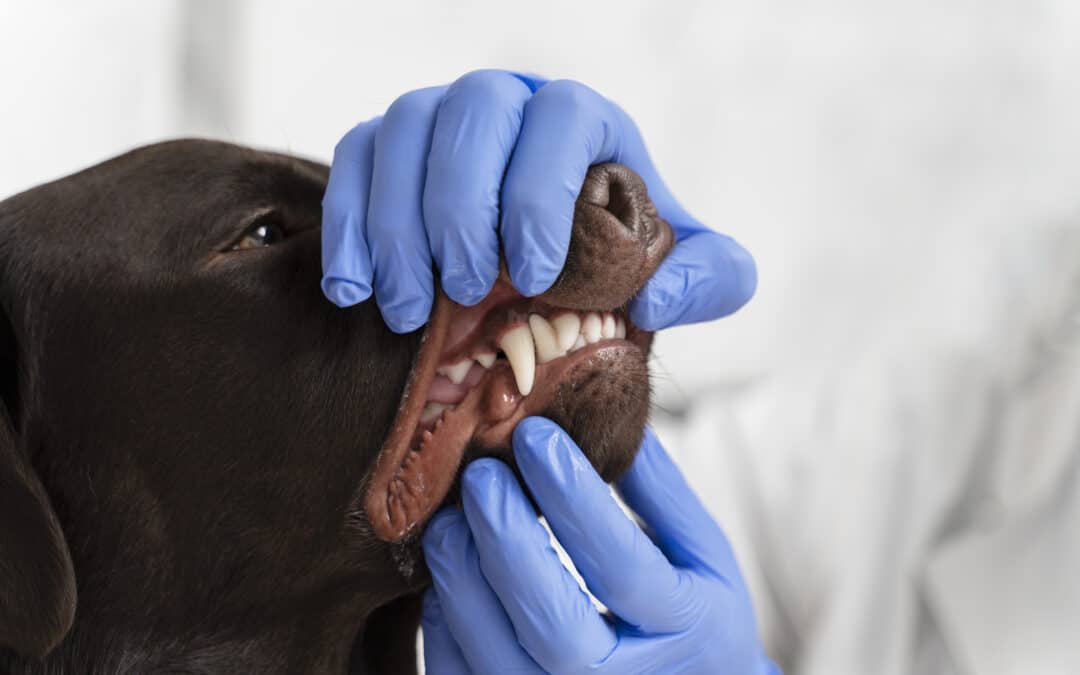
Dental health is a critical part of your pet’s overall wellness, yet it’s one of the most commonly overlooked areas of care. By the age of three, nearly 80% of dogs and cats show signs of dental disease. Without proper attention, plaque and tartar build up along the gumline, leading to inflammation, infection, chronic pain, and even damage to vital organs such as the heart, liver, and kidneys.
Why Professional Dental Cleanings Are Essential
Routine dental cleanings are the most effective way to prevent and treat dental disease. At our practice, we perform anesthetic dental cleanings, which are considered the gold standard in veterinary medicine.
Anesthesia allows your pet to be fully relaxed, pain-free, and still during the procedure. This is essential because it enables our veterinary team to:
-
Thoroughly clean both above and below the gumline, where most dental disease begins
-
Perform a complete oral exam, evaluating every tooth and the surrounding tissues
-
Take dental radiographs (x-rays) to evaluate the health of the tooth roots and surrounding bone
-
Safely polish teeth to slow future plaque buildup
-
Address any painful or diseased teeth during the same procedure
Without anesthesia, it is simply not possible to safely or effectively clean beneath the gumline or fully assess your pet’s oral health.
The Truth About Non-Anesthetic Dental Cleanings
While non-anesthetic (awake) dental cleanings may seem appealing, they are not recommended for several important reasons:
-
They only clean the visible surface of the teeth, leaving disease below the gumline untreated
-
Pets may experience stress or discomfort while being restrained
-
There is a risk of injury to the pet or the person performing the procedure
-
Serious dental issues—such as infections, fractures, or abscesses—can be missed
Ultimately, non-anesthetic cleanings are cosmetic rather than medical and may provide a false sense of security while underlying disease progresses.
The Importance of Dental Radiographs (X-Rays)
A crucial part of any comprehensive dental procedure is dental radiographs. Because up to 60% of a tooth lies below the gumline, many problems cannot be seen during a visual exam alone. Radiographs can only be safely and accurately performed while your pet is under general anesthesia and are not possible during a non-anesthetic dental procedure.
Dental x-rays allow us to:
-
Evaluate tooth roots and surrounding bone
-
Detect hidden infections or abscesses
-
Identify bone loss associated with periodontal disease
-
Diagnose fractured or resorbing teeth
-
Catch issues early—often before your pet shows signs of pain
These insights help us create a more accurate diagnosis and treatment plan, ensuring your pet receives the best possible care.
At-Home Dental Care: What You Can Do
While professional cleanings are essential, at-home care plays a key role in maintaining your pet’s oral health between visits. Here are a few simple ways to help:
-
Daily tooth brushing with a pet-safe toothpaste is the most effective method
-
Offer dental chews and treats approved by the Veterinary Oral Health Council (VOHC)
-
Consider dental diets or water additives if recommended by your veterinarian
-
Schedule regular dental exams to monitor for early signs of disease
Even small, consistent efforts at home can make a big difference in slowing plaque and tartar buildup.
A Healthier Smile, A Healthier Life
Healthy teeth and gums do more than just keep your pet’s smile bright—they directly impact their comfort, appetite, and overall quality of life. Untreated dental disease can be painful and lead to serious health complications, but with the right care, it is largely preventable.
Schedule your pet’s dental health exam today and take the first step toward protecting their smile—and their long-term health.